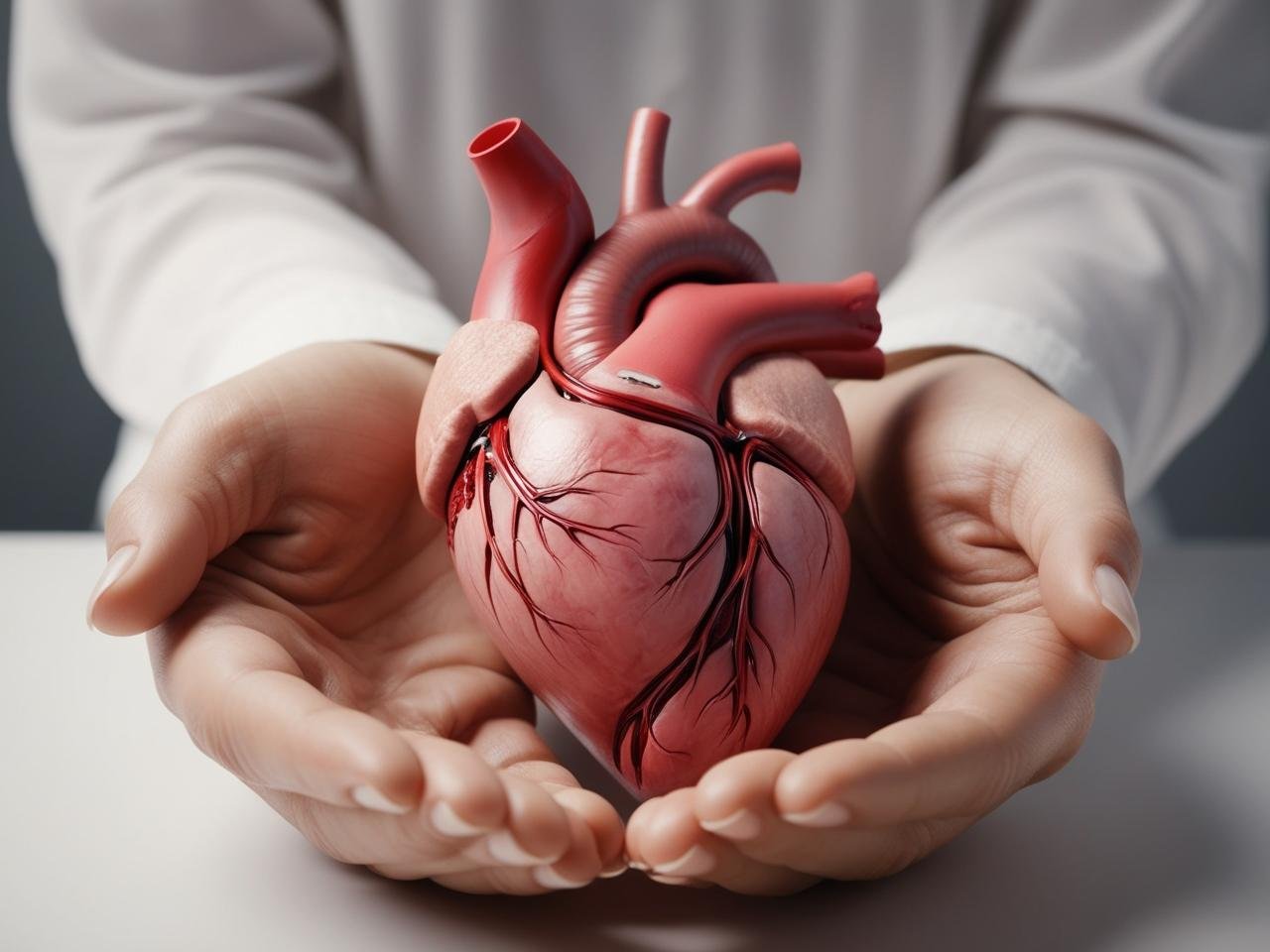
Cardiovascular diseases (CVDs) refer to a group of disorders affecting the heart and blood vessels. They are a leading cause of morbidity and mortality worldwide, accounting for millions of deaths annually. While many forms of CVDs are preventable, others are chronic conditions requiring long-term management.
- Coronary Artery Disease (CAD):
- Caused by narrowed or blocked coronary arteries due to atherosclerosis.
- Can lead to chest pain (angina), heart attacks, or heart failure.
- Hypertension (High Blood Pressure):
- A condition where blood pressure is consistently too high, increasing the risk of heart attack, stroke, and kidney disease.
- Heart Failure:
- Occurs when the heart cannot pump enough blood to meet the body’s needs.
- Symptoms include fatigue, shortness of breath, and fluid retention.
- Stroke:
- Caused by reduced blood supply to the brain due to a blockage (ischemic stroke) or rupture (hemorrhagic stroke) of blood vessels.
- Peripheral Arterial Disease (PAD):
- Narrowing of blood vessels outside the heart and brain, often affecting the legs.
- Can cause pain, ulcers, or gangrene.
- Arrhythmias:
- Irregular heartbeats, such as atrial fibrillation, which can lead to stroke or other complications.
- Congenital Heart Diseases:
- Structural abnormalities in the heart present from birth.
- Cardiomyopathy:
- Diseases of the heart muscle that affect its ability to pump blood effectively.
- Rheumatic Heart Disease:
- Damage to heart valves caused by rheumatic fever, often a result of untreated streptococcal infections.
- Unhealthy Diet: High in saturated fats, trans fats, salt, and sugar.
- Physical Inactivity: Sedentary lifestyle contributes to obesity and metabolic disorders.
- Smoking and Alcohol Use: Damages blood vessels and increases blood pressure.
- High Blood Pressure (Hypertension): Puts extra strain on the heart.
- High Cholesterol Levels: Contributes to plaque buildup in arteries.
- Diabetes: Increases the risk of atherosclerosis.
- Obesity: Raises the likelihood of developing CVD risk factors.
- Age: Risk increases with age.
- Gender: Men are at higher risk earlier in life; women’s risk rises after menopause.
- Family History: A genetic predisposition to CVDs.
Symptoms vary depending on the type of CVD but may include:
- Chest pain or discomfort (angina).
- Shortness of breath.
- Fatigue or weakness.
- Irregular heartbeat or palpitations.
- Swelling in the legs, ankles, or feet.
- Sudden weakness, slurred speech, or numbness (stroke symptoms).
- Physical Examination: Includes blood pressure, heart rate, and cholesterol levels.
- Blood Tests: Check for markers of heart damage or inflammation.
- Imaging Tests: Such as echocardiograms, CT scans, or MRIs.
- Electrocardiogram (ECG): Measures electrical activity of the heart.
- Stress Tests: Evaluate heart function during physical activity.
- Healthy diet (e.g., DASH or Mediterranean diet).
- Regular physical activity (at least 150 minutes per week).
- Quitting smoking and reducing alcohol consumption.
- Statins (lower cholesterol).
- Antihypertensives (control blood pressure).
- Antiplatelets/anticoagulants (prevent blood clots).
- Beta-blockers or ACE inhibitors (manage heart function).
- Angioplasty and stenting.
- Coronary artery bypass grafting (CABG).
- Valve repair or replacement.
- Implantable devices (e.g., pacemakers).
Comprehensive programs involving exercise, education, and counselling.
- Maintain a balanced and heart-healthy diet.
- Exercise regularly to maintain a healthy weight.
- Monitor and manage blood pressure, cholesterol, and diabetes.
- Avoid tobacco use and limit alcohol consumption.
- Reduce stress through mindfulness, relaxation, or therapy.
- Have regular check-ups with a healthcare provider.
- Leading Cause of Death: Account for approximately 17.9 million deaths annually (WHO, 2021).
- Economic Burden: High costs due to hospitalizations, medications, and loss of productivity.
- Inequities in Care: Disparities in access to healthcare and preventive measures in low-income regions.
Cardiovascular diseases are a major global health challenge, but many are preventable through lifestyle changes, early detection, and proper management. By addressing modifiable risk factors and improving access to care, significant progress can be made in reducing the burden of CVDs worldwide.